Auvelity for MDD: How It Compares to Other Antidepressants
Discover how Auvelity for MDD offers a faster, unique approach to treating chronic depression compared to traditional SSRIs and SNRIs.
Spend $99, get free U.S. shipping*
Tariff now required on U.S. shipments. Learn more »
Tel: 1-866-456-3768 Fax: 1-866-544-8993
For visual reference only; actual product may vary
US Name:
Azopt
Alternative Names:
Azopt
Active Ingredients:
Brinzolamide
Brand Manufacturer:
Alcon
Manufacturer Location:
Belgium
Click here to view Product Insert
For visual reference only; actual product may vary
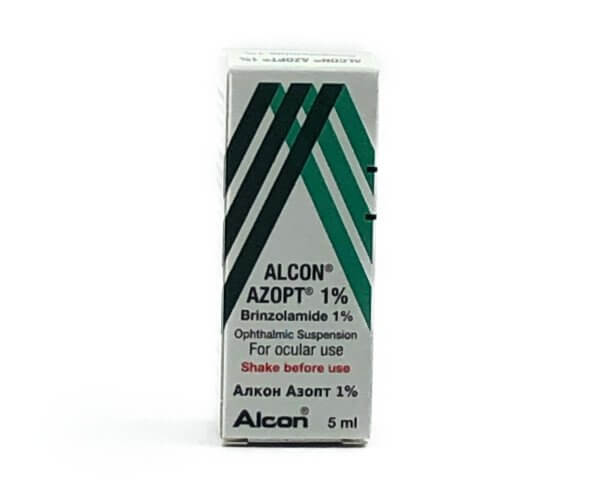
Azopt (Brinzolamide) 1% is a prescription eye drop used to lower elevated intraocular pressure (IOP) in patients with open-angle glaucoma or ocular hypertension. As a carbonic anhydrase inhibitor, it works by reducing fluid production within the eye to protect vision.
| Azopt Brand | 1% 5 mL |
-
|
Our price: $45.00 |
Azopt is a prescription eye drop medication, with the active ingredient Brinzolamide, used to lower high pressure inside the eye. It is primarily prescribed for individuals diagnosed with open-angle glaucoma or ocular hypertension, conditions that can lead to optic nerve damage and gradual vision loss if left untreated. By effectively reducing intraocular pressure (IOP), Azopt plays a crucial role in the long-term management of these conditions, helping to preserve sight. It is manufactured by Alcon and is available as a 1% ophthalmic suspension.
Azopt works by reducing the production of aqueous humor, the fluid inside the eye, which in turn lowers intraocular pressure. Its active ingredient, Brinzolamide, belongs to a class of drugs known as carbonic anhydrase inhibitors. Carbonic anhydrase is an enzyme in the body that is involved in the secretion of aqueous humor. By inhibiting this enzyme in the ciliary processes of the eye, Azopt decreases the rate of fluid production. This reduction in fluid leads to a drop in eye pressure, alleviating the primary risk factor for glaucomatous optic nerve damage.
Azopt is for adult patients diagnosed with open-angle glaucoma or ocular hypertension who need to lower their intraocular pressure. It can be prescribed as a first-line treatment (monotherapy), especially for patients who cannot tolerate or are unresponsive to beta-blocker eye drops. Additionally, it is often used as an adjunctive (add-on) therapy, combined with other glaucoma medications like beta-blockers or prostaglandin analogs, to achieve a more significant reduction in eye pressure when a single medication is not sufficient.
Azopt is typically administered by instilling one drop into the affected eye(s) as directed by your doctor, usually two to three times daily. Before use, wash your hands and shake the bottle well. To apply, tilt your head back, look up, and pull down the lower eyelid to create a small pocket. Gently squeeze the dropper to release a single drop. Avoid touching the dropper tip to your eye or any other surface to prevent contamination. After application, close your eye and gently press on the inside corner (near your nose) for 1-2 minutes to prevent the medication from draining into your bloodstream. If you use other eye medications, wait at least five minutes between applications.
The most common side effects of Azopt include temporary blurred vision, a bitter taste in the mouth, and minor eye discomfort, stinging, or redness. Some people may also experience dry eyes or the sensation of having something in their eye. These effects are usually mild and temporary. However, more serious side effects can occur, though they are rare. You should seek immediate medical help if you experience severe eye pain or swelling, chest pain, signs of an allergic reaction (like a skin rash), or symptoms of a systemic reaction like persistent nausea, dark urine, or unusual tiredness. Always inform your doctor about any side effects you experience.
IsraelPharm provides a safe, reliable, and affordable way to purchase your prescription Azopt medication online. We are committed to making essential medications accessible by offering genuine, brand-name products like Azopt from Alcon at competitive prices. When you order from us, you can trust that you are receiving an authentic product shipped directly to your door. Our straightforward ordering process and dedicated customer service team ensure a seamless and worry-free experience, helping you manage your health affordably and conveniently.
Common Side Effects:
Serious Side Effects (seek medical attention immediately):
Azopt (Brinzolamide 1%) is indicated for lowering elevated intraocular pressure (IOP) in patients with:
It can be used as a primary treatment (monotherapy) for patients who cannot use beta-blockers, or as an add-on treatment (adjunctive therapy) with other IOP-lowering medications.

You may see a reduction in eye pressure within a few hours of the first dose. However, the full effect of Azopt in consistently lowering your intraocular pressure typically becomes apparent after several weeks of regular, prescribed use. It's crucial to use it consistently every day as directed by your doctor to achieve and maintain the best results.
Yes, Azopt is often prescribed alongside other eye drops. If you are using more than one type of ophthalmic medication, wait at least five minutes between applications. This prevents the drops from washing each other out and ensures each medication can be absorbed properly. Always follow your doctor's specific instructions for your treatment regimen.
If you miss a dose, instill it as soon as you remember. However, if it's almost time for your next scheduled dose, just skip the missed one and return to your regular schedule. Do not double the dose to "catch up," as this can increase the risk of side effects. Consistency is key for managing eye pressure effectively.
A bitter or unusual taste in the mouth is a common side effect of Azopt. This happens because a small amount of the medication can drain from your eye into the back of your throat through the nasolacrimal duct. This effect is generally harmless and temporary. Closing your eye and pressing on the tear duct after application can help minimize it.
Yes, you should always remove your contact lenses before applying Azopt eye drops. The preservative in the solution, benzalkonium chloride, can be absorbed by soft contact lenses and may cause eye irritation. You can put your lenses back in 15 minutes after you have administered the drops, allowing the medication time to be properly absorbed.
Store Azopt at room temperature, away from excess heat and moisture, and out of the reach of children. Do not freeze the medication. Keep the bottle tightly closed when not in use. Be sure to discard the bottle 28 days after opening it, even if there is solution remaining, to prevent contamination and ensure effectiveness.
No, Azopt is not a beta-blocker. Its active ingredient, brinzolamide, is a carbonic anhydrase inhibitor. This class of drug works differently from beta-blockers by targeting an enzyme involved in producing the eye's fluid (aqueous humor). It is sometimes prescribed for patients who cannot take beta-blockers or in addition to them for better pressure control.
Yes, temporary blurred vision is a common side effect immediately after instilling Azopt eye drops. This typically lasts for only a few minutes. For your safety, you should wait until your vision clears completely before driving, operating machinery, or performing any other activities that require clear sight. If blurred vision persists or worsens, contact your doctor.
Azopt is formulated for ophthalmic use only and should not be swallowed. If someone accidentally ingests it, they might experience side effects similar to those of oral carbonic anhydrase inhibitors. You should contact a poison control center or seek emergency medical advice immediately for guidance on how to proceed, especially if a large amount was ingested.
No, you should never stop using Azopt without consulting your doctor, even if your eye pressure has returned to a normal range. Glaucoma is a chronic condition, and Azopt works to keep your pressure controlled. Stopping the medication could cause the pressure to rise again, potentially leading to irreversible vision damage.
You should not take Azopt if you have a known allergy to its active ingredient, brinzolamide, or to sulfonamides (often called "sulfa drugs"). It is also not recommended for patients with severe kidney problems. Always disclose your full medical history, including any allergies and conditions, to your doctor to ensure Azopt is safe for you.
No, Azopt is not associated with changes in eye color. This side effect is typically linked to a different class of glaucoma medications known as prostaglandin analogs. Azopt, a carbonic anhydrase inhibitor, works through a different mechanism and does not affect the pigmentation of the iris.
A mild and temporary burning or stinging sensation upon instilling the drops can be a common side effect of Azopt. This feeling should only last for a short time. However, if the discomfort is severe, gets worse over time, or is accompanied by significant redness or swelling, you should stop using the drops and consult your doctor.
First, shake the bottle well. Tilt your head back, pull down your lower eyelid, and squeeze one drop into the pocket created. Don't let the bottle tip touch your eye. After the drop is in, close your eye and press gently on the inner corner for 1-2 minutes. This helps the medicine absorb properly and reduces side effects.
Send Your Prescription
No Hidden Fees
Generally 7-10 Business Days

IsraelPharm has been delivering lost cost prescriptions from Israel for over 15 years worldwide. Daily flights allow us to get your medications dispatched fast! Delivery to the USA is under 10 days and you can track and trace every order.

Discover how Auvelity for MDD offers a faster, unique approach to treating chronic depression compared to traditional SSRIs and SNRIs.

Is your generic medication truly safe? Explore the hidden risks of global drug manufacturing and learn how sourcing brand-name medications can protect patient safety.

The symptoms of menopause, during which women can feel physical and emotional discomfort, are often blamed entirely on declining levels of estrogen, but the hormone imbalance behind the symptoms is more complicated. In the years